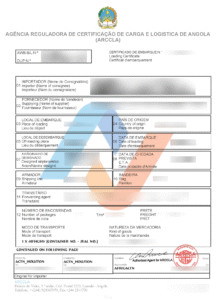
Angola
 Benin
Benin Burkina Faso
 Burundi
 Cameroon
 Central African Rep.
 Chad
Chad Djibouti
 DR Congo
 Equatorial Guinea
 Gabon
Gabon Ghana
Ghana Guinea Bissau
 Ivory Coast
 Liberia
 Madagascar
 Mali
Mali Niger
Niger Republic of Congo
 Republic of Guinea
 Senegal
 Sierra Leone
 Somalia
 South Sudan
 Sudan
Sudan Togo
Togo Yemen
YemenDocuments Required for Shipping to Cameroon
Commercial Invoice
Bill of Lading
Freight Invoice
Export Declaration or Packing List
Vehicle Documents
Cameroon BESC
Steps to Ship to Cameroon
Step 1: Gather the Required Shipping Documents
Before shipping to Cameroon, you’ll need to gather several essential documents. Shipping to Cameroon without the right forms can increase shipping costs and lead to delays.
Missing documents can delay your shipment and increase shipping costs. You don’t want your cargo to get rejected at the Port of Douala or have issues with customs clearance. When shipping to Cameroon, you’ll need the following:
- Commercial invoice
- Bill of lading
- Packing list
- Vehicle title or certificate of origin (when applicable)
Cameroon requires a cargo tracking note for all shipments. This means you need to prepare the CTN request form early to ensure a smooth delivery service.
Step 2: Verify Cameroon’s Import Regulations
Before booking international shipping with FedEx, USPS, or another shipping provider, make sure that the goods you are shipping comply with Cameroon’s import laws. Yaoundé, the capital of Cameroon, has reasonable door-to-door and port-to-port shipping laws. However, certain goods, such as pharmaceuticals, hazardous materials, and some categories of electronics, may require special permits.
Additionally, all goods must be correctly classified with Harmonized System (HS) codes. Customs uses these codes to determine applicable duties and taxes. HS codes are used across the globe for international shipments, from the United Kingdom to Cameroon.
Step 3: Book Your Shipping Carrier and Confirm Freight Details
Once you’ve prepared your documents, you can book your shipment with a trusted carrier or freight forwarder. At this stage, you’ll need to choose the appropriate mode of transport. Confirm all freight details, including dimensional weight, container size, package size, projected delivery time, and the drop-off port. Ensure reliable shipping by accurately recording package details because you will need them for your CTN.
Step 4: Apply for a Cargo Tracking Note (CTN)
You must have a CTN to ship cargo to Cameroon. Don’t wait until the last minute, as you could be charged demurrage for delays. A CTN provides customs with information about your freight, the consignor, and the consignee. Once your application is approved, you’ll receive a validated CTN. It must appear on your final bill of lading.
Step 5: Keep Digital and Physical Records
Make sure you save any records related to your shipping services. Keep digital and physical records so you can quickly respond to any document requests and avoid delays. Your freight forwarder or the customs office may require physical records. However, sending digital copies where allowed is the most practical and efficient option.
Key Shipping and Customs Regulations
Cameroon enforces strict customs controls to ensure that all inbound cargo is compliant. All shipments must include:
- Correct HS codes
- Detailed cargo descriptions
- A validated CTN
Duties and taxes are calculated based on product classification, value, and origin. You may need additional permits for pharmaceuticals, food items, chemicals, and machinery. Working with an experienced CTN provider helps you avoid delays and get your shipment to its destination more efficiently.
Finalize Your Cameroon CTN Today With AfricaCTN
If you plan on shipping to Cameroon, AfricaCTN is here to help. Let one of our expert CTN agents walk you through the process of getting your Cameroon BESC certificate. Benefits of working with AfricaCTN include the following:
- CTN dashboard to track all CTNs and documents
- Direct communication with one of our customer service reps
- Authorized provider status, which is recognized by 90% of African countries with CTN requirements
- Quick processing and easy-to-follow steps
Ready to get started? Get your draft BESC today
FAQs About Shipping to Cameroon
How Long Does It Take to Process a Cameroon CTN?
Most Cameroon CTNs are processed within 24 to 48 hours once all documents are submitted correctly. Delays usually occur when information is missing or the bill of lading does not match the finalized shipping details.
What Happens if My Shipment Arrives in Cameroon Without a CTN?
Arriving without a CTN can result in major penalties or delays. If your cargo is held up at port, you will incur additional storage charges. In severe instances, Cameroon customs officials could deny entry altogether.
Can I Submit My CTN Before Receiving the Final Bill of Lading?
You can begin your CTN request using a draft bill of lading. However, your CTN will not be validated until the final version of your bill of lading has been issued. All details must match exactly.
What Goods Require Additional Permits or Approvals When Entering Cameroon?
You will need to apply for additional permitting if your shipment includes pharmaceuticals, certain chemicals, agricultural products, food items, or medical supplies. Some electronics and used machinery may also require compliance certificates.
How Early Should I Apply for a Cameroon CTN?
It’s best to apply as soon as you receive your draft bill of lading and commercial documents. Applying early helps reduce the risk of delays, especially during peak shipping seasons.
Does Cameroon Accept Digital Documents, or Do They Require Originals?
Cameroon accepts digital copies for all CTN submissions.
Can a CTN Be Corrected After Submission?
No, no corrections are allowed to be made to final validations. It is important to check and confirm all details on the draft CTN / BESC prior to validation.