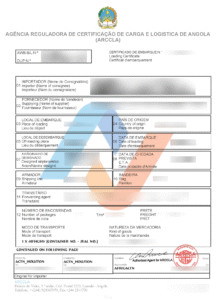
Angola
 Benin
Benin Burkina Faso
 Burundi
 Cameroon
 Central African Rep.
 Chad
Chad Djibouti
 DR Congo
 Equatorial Guinea
 Gabon
Gabon Ghana
Ghana Guinea Bissau
 Ivory Coast
 Liberia
 Madagascar
 Mali
Mali Niger
Niger Republic of Congo
 Republic of Guinea
 Senegal
 Sierra Leone
 Somalia
 South Sudan
 Sudan
Sudan Togo
Togo Yemen
YemenSince September 1, 2019, the Customs Authorities of Benin have made the Benin CTN (Cargo Tracking Note) mandatory for all shipments to Cotonou, including cargo in transit. This regulation affects every shipper and forwarder moving goods to Benin.
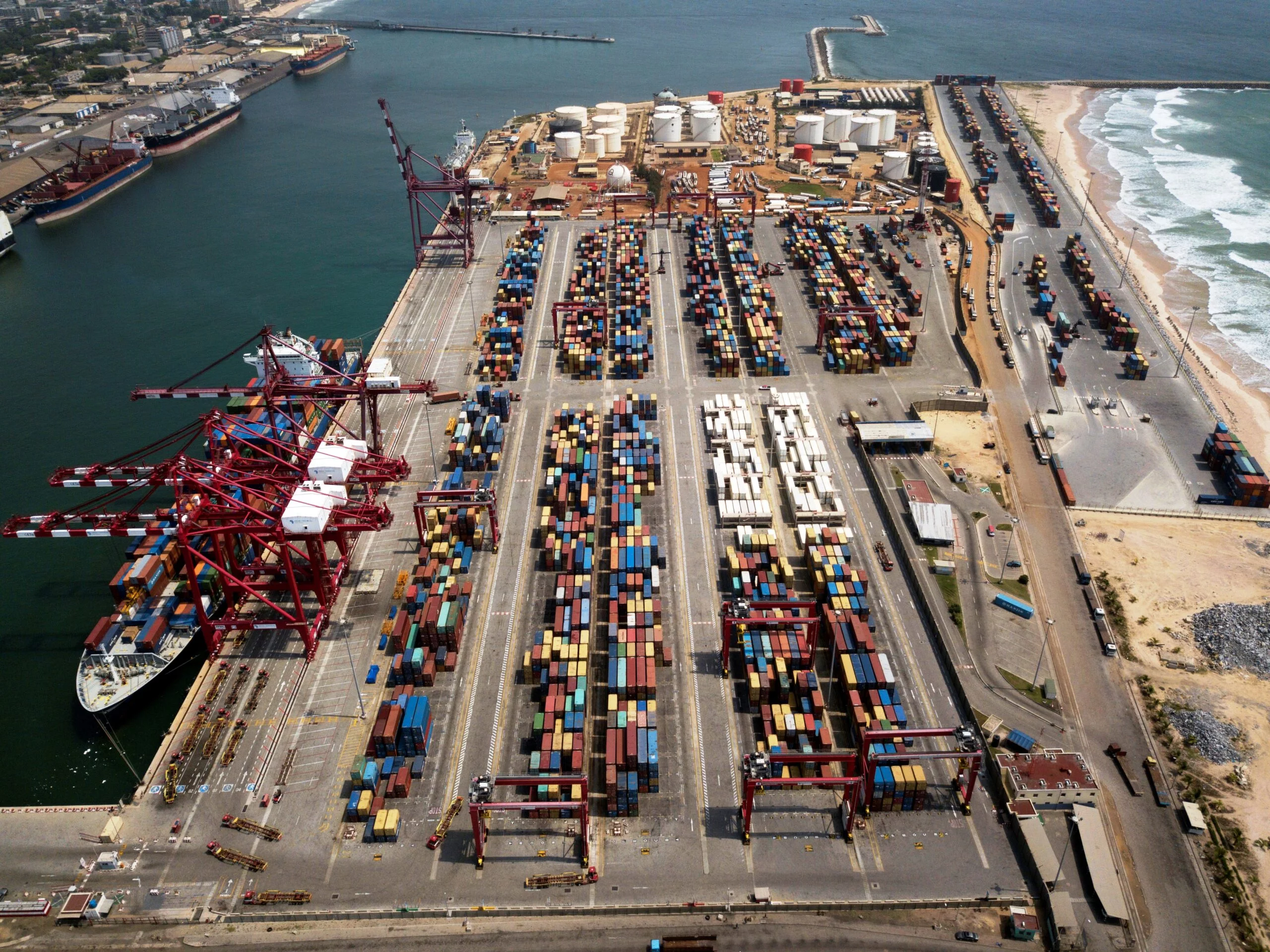
What is the Benin CTN?
Benin’s Customs requires the Cargo Tracking Note or BESC to monitor international shipments. It continues to provide detailed cargo information before arrival, helping authorities improve security, trade transparency, and compliance, all critical aspects of observing the CTN regulations.
When Did the Rule Take Effect?
The requirement would officially come into force on September 1, 2019. From this date, every shipment destined for or transiting through Cotonou must include a valid Benin BESCto comply fully.
Who is Responsible for the Benin BESC / CTN?
It is the shipper’s responsibility to obtain and provide the CTN.
What Happens if the CTN is Missing?
Failure to comply with the CTN requirement leads to serious consequences:
- Cargo without a BESC will not be discharged at Cotonou.
- Shippers will bear additional penalty costs.
Late submissions will incur extra fees. Shippers must validate the CTN before the vessel arrives. This highlights the necessity of adhering to the Benin CTN.
Why This Matters to Shippers
Compliance with this requirement protects you from:
- Costly delays
- Added fees
By arranging the CTN in advance, shippers can ensure smooth customs clearance and uninterrupted supply chains. To facilitate this, understanding the specifics of the Benin BESC is essential.
Final Word
The Benin CTN has been mandatory since September 2019, and strict enforcement continues today. When shipping to or through Cotonou, make sure the CTN is validated prior to vessel arrival. This is crucial to meet regulations effectively.
For expert guidance on international shipping compliance, contact our team today and avoid costly disruptions.